
How to Start a Business: Simple steps to Building a Startup
Starting a business can feel confusing when you do not know where to begin. You may have a startup idea, but turning that idea into a real business requires planning, research, money, and consistent action. This guide explains how to start a business in simple English, from choosing an idea to creating a business website, preparing a business plan, registering a company, and finding startup funding.

1. Start With a Clear Business Idea
| Question | What You Should Find Out |
| What problem will you solve? | Identify a common customer problem. |
| Who is your customer? | Students, businesses, families, professionals, or another group. |
| What will you sell? | A product, service, subscription, or digital solution. |
| Why will people choose you? | Better price, quality, convenience, speed, or customer service. |
| Can the idea make money? | Check demand, costs, and possible profit. |
Some start up business ideas include online services, digital marketing, clothing brands, food businesses, educational services, consulting, software products, and local home-based businesses. Choose an idea based on your skills, budget, and customer demand.
2. Research the Market Before Investing
Before spending money, study the market. Market research helps you understand whether people actually want your product or service.
| Research Area | What to Check |
| Target customers | Their age, location, income, needs, and buying habits |
| Competitors | Their pricing, services, strengths, and weaknesses |
| Demand | Search trends, customer questions, and existing sales |
| Pricing | What customers are willing to pay |
| Competition | How your business can become different |
| Customer feedback | Interviews, surveys, reviews, and social media comments |
This step is important for both a small business startup and a technology-based startup. A simple idea with real demand is often better than an expensive idea without customers.
3. Create a Business Plan
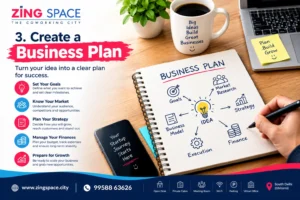
A business plan for a startup explains how your business will operate and earn money. It also helps when you want to find investors for a startup or apply for funding.
Your business plan should include:
| Section | Details to Include |
| Business summary | What your business does |
| Problem and solution | The customer problem and your solution |
| Target market | Who will buy from you |
| Competitor analysis | Similar businesses and your advantage |
| Marketing plan | How you will attract customers |
| Sales plan | How customers will purchase |
| Operations plan | Suppliers, employees, tools, and daily work |
| Financial plan | Startup capital, expenses, revenue, and profit |
| Growth plan | How the business can expand |
You do not need a 50-page document. A clear, practical plan is enough when you are creating a business plan for the first time.
4. Decide Your Startup Budget
Every business needs money for setup and daily operations.
| Expense | Examples |
| Business registration | Government fees and professional charges |
| Website | Domain, hosting, design, and development |
| Equipment | Laptop, printer, furniture, or machinery |
| Marketing | Advertising, content, branding, and SEO |
| Inventory | Products, packaging, and storage |
| Employees | Salaries, freelancers, and consultants |
| Office | Rent, electricity, internet, and maintenance |
| Emergency fund | Money for unexpected expenses |
If your budget is limited, begin with a small version of the business. This approach is useful for low cost start up businesses because you can test demand before making a large investment.
5. Choose a Business Structure
The next step is deciding how your business will be legally structured. The correct structure depends on your country, business size, ownership, and liability requirements.
| Business Structure | Suitable For |
| Sole proprietorship | One person starting a small business |
| Partnership | Two or more people working together |
| Private limited company | Businesses planning structured growth |
| Limited Liability Partnership | Partners who want limited liability |
| One Person Company | A single owner seeking a formal company structure |
Before setting up a company, check the registration rules in your country. You may need identity documents, a business address, tax registration, and other legal documents. A qualified accountant, company secretary, or startup lawyer can help you choose the correct structure.
6. Register the Business
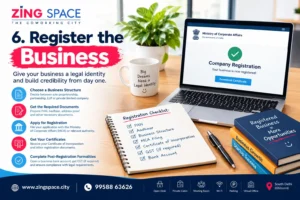
Business registration makes your business legally recognised. The exact process varies by location, but it usually includes the following steps:
- Choose a business name.
- Check whether the name is available.
- Select the legal structure.
- Prepare the required documents.
- Submit the registration application.
- Receive the registration certificate or number.
- Apply for tax registrations or business licences if required.
- Open a business bank account.
You should also check whether you need a trademark for your brand name. Company name registration and trademark registration are different processes. A company name identifies the legal business, while a trademark protects a brand name, logo, or other distinctive identity.
7. Create a Professional Business Website
A website helps customers understand your business and contact you. Even a small business should have a basic online presence.
| Website Page | Purpose |
| Home | Explain your main offer |
| About Us | Build trust and show your background |
| Services or Products | Explain what you sell |
| Contact | Provide phone, email, address, and enquiry form |
| FAQs | Answer common customer questions |
| Privacy Policy | Explain how customer data is handled |
When creating a business website, make sure it is mobile-friendly, fast, secure, and easy to navigate. Add real business information, clear pricing where possible, customer reviews, and a strong call to action.
8. Find Customers Through Marketing
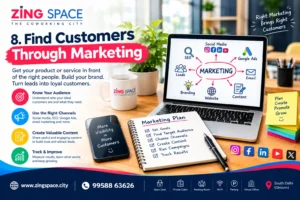
A business cannot grow without customers. Start with marketing methods that match your target audience and budget.
| Marketing Channel | Best Use |
| Google Search | Reaching people actively looking for a solution |
| Social media | Building awareness and trust |
| Content marketing | Answering customer questions |
| Email marketing | Maintaining customer relationships |
| Referral marketing | Getting customers through recommendations |
| Paid advertising | Generating faster traffic and leads |
| Networking | Meeting partners and potential clients |
Create useful content, show your products clearly, and track which channels generate enquiries and sales. Do not spend heavily on advertising before understanding your customer acquisition cost.
9. Understand Startup Funding Options
Many founders need startup funding to launch or grow their businesses. Funding should be selected according to the business stage and financial requirement.
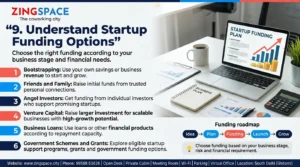
| Funding Type | Meaning |
| Bootstrapping | Using your own savings or business revenue |
| Family and friends | Funding from personal contacts |
| Pre-seed funding | Early money used to test an idea |
| Seed funding | Capital used to build and grow the business |
| Angel investment | Money from individual investors |
| Venture capital | Investment from professional funds |
| Crowdfunding | Raising small amounts from many people |
| Government funding | Grants, loans, or support programmes |
If you want to find investors for a startup, prepare a business plan, financial projections, market research, and a clear explanation of how the business can grow. Investors usually look for a strong problem, a large market, capable founders, and evidence of customer demand.
10. Launch Small and Improve
Do not wait for everything to be perfect. Launch a basic version of your product or service, collect feedback, and improve it. This is similar to the lean startup approach, where a business tests an idea quickly instead of spending a large amount before learning what customers want.
Use this simple launch process:
| Stage | Action |
| Test | Show the idea to potential customers |
| Build | Create a minimum useful product or service |
| Launch | Start selling to a small audience |
| Measure | Track sales, enquiries, costs, and feedback |
| Improve | Fix problems and improve the offer |
| Grow | Invest more after the model shows demand |
Conclusion
Starting a business becomes easier when you have the right plan and a professional place to work. If you are looking for open desks, private cabins, dedicated desks, meeting rooms, or a virtual office, Zing Space can help you build and manage your business with a professional working environment.
At Zing Space, you can focus on your work while essential office facilities such as Wi-Fi, power backup, cleaning, parking, and other workplace support are managed for you. Whether you are a startup founder, freelancer, small business owner, or growing company, you can choose a workspace according to your team size and budget.