
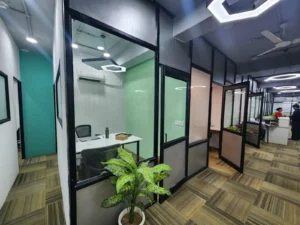
Furnished Office vs Traditional Office: Which Is Better for a Small Business?
For many small businesses and startups, a furnished office can be a more practical choice because it reduces setup work, lowers the initial investment, and offers more flexibility. A traditional office may be better for businesses that need complete control over design and plan to stay in the same location for many years.
Choosing an office is about more than monthly rent. You also need to consider furniture, internet, maintenance, utilities, setup time, and the flexibility to change your workspace as your business grows.
What Is a Furnished Office?
A furnished office is a ready-to-use workspace that already has essential facilities such as desks, chairs, internet connectivity, power, and other office amenities.
Depending on the provider, the workspace may also include meeting rooms, reception services, cleaning, maintenance, and other shared facilities.This means a business can move into the workspace without spending weeks arranging furniture, interiors, internet connections, and basic office infrastructure.
For startups and small teams looking for a furnished office for rent, this can make the move to a professional workspace much easier.
What Is a Traditional Office?
A traditional office usually involves renting a commercial property and setting it up according to your business requirements.The business is responsible for arranging furniture, internet, electrical work, interiors, maintenance, and other office requirements. Lease terms can also be longer, depending on the property and agreement.The main advantage is control. You can decide how the office looks, how the space is divided, and how it represents your brand.
However, that control also means more responsibility and a higher initial setup requirement.
Furnished Office vs Traditional Office: Quick Comparison
| Factor | Furnished Office | Traditional Office |
|---|---|---|
| Initial investment | Usually lower | Usually higher |
| Setup | Ready to use | Requires setup |
| Moving time | Faster | Can take longer |
| Flexibility | Usually higher | Depends on lease |
| Maintenance | Often handled by provider | Usually handled by business |
| Customisation | Limited to available options | High |
| Best suited for | Startups and small teams | Established businesses with specific requirements |
1. Initial Cost: Look Beyond Monthly Rent
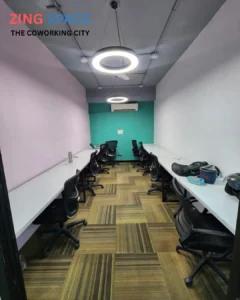
Monthly rent is only one part of the total office cost.
With a traditional office, you may also need to spend money on furniture, interiors, internet installation, electrical work, air conditioning, security, cleaning, and other setup requirements.
A furnished workspace combines many of these requirements into an existing setup. This can reduce the amount of money a small business needs to spend before it starts using the office.
Before choosing either option, compare the total cost of setting up and operating the office, rather than comparing rent alone.
2. Setup Time: Start Working Faster
Setting up a traditional office can take considerable time. Furniture needs to be purchased, internet and utilities arranged, and the space prepared for employees.
A furnished office is already designed for work. Once the agreement and onboarding process are completed, businesses can generally start using the workspace much faster.
This can be useful when a startup has recently hired employees, won a new project, or needs an office in a new location without waiting for a long setup process.
3. Flexibility: Important for Growing Businesses
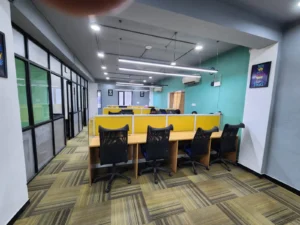
Small businesses do not always know how large their team will become over the next two or three years.
A team of five people may become ten, while another business may move towards hybrid or remote work.
A flexible workspace can make these changes easier. Depending on the provider and agreement, businesses may be able to move to a larger workspace, add workstations, or choose another office arrangement.
Traditional office leases can provide less flexibility, particularly when a business has committed to a longer-term agreement.
4. Control and Branding: Where Traditional Offices Have an Advantage
A traditional office gives you greater control over the physical environment.
You can choose the furniture, colours, layout, partitions, interiors, and branding according to your business requirements.
This can be important for companies that need a highly customised environment, regularly host clients, or require a specialised office layout.
A furnished office generally offers less freedom for major structural changes, although some providers may allow basic branding such as signage or logo placement.
5. Hidden Office Costs You Should Consider
Do not compare office options only on rent.
Before making a decision, check whether the following costs are included:
- Electricity and other utilities
- Internet connectivity
- Furniture
- Cleaning
- Maintenance and repairs
- Security
- Meeting room access
- Parking
- Reception or administrative support
- Office equipment and setup
With a traditional office, many of these responsibilities remain with the business.
With a managed or furnished workspace, several services may already be included in the monthly fee. Always check the provider’s agreement to understand exactly what is included.
When Is a Furnished Office a Better Choice?
A furnished office may be suitable if:
- You are a startup or small business
- Your team is growing
- You want to avoid a large office setup investment
- You need a professional workspace quickly
- You are entering a new market or location
- You prefer flexible workspace arrangements
- You do not want to manage everyday office maintenance
For businesses searching for a furnished office space in Delhi, location is also important. Areas such as South Delhi can be useful when accessibility, professional surroundings, and connectivity matter to employees and clients.
When Is a Traditional Office Better?
A traditional office may make more sense if:
- Your business has stable long-term requirements
- You expect to stay in the same location for several years
- You need extensive interior customisation
- Your business requires a specialised workspace
- You need complete control over the office layout
- You have the budget and resources to manage the setup
The right choice depends on your business model rather than simply choosing the cheaper-looking option.
How to Choose the Right Office

Use these three steps before making a decision:
1. Calculate the complete cost
Include rent, deposit, furniture, utilities, internet, maintenance, interiors, and other recurring expenses.
2. Consider your next 12–24 months
Think about whether your team size, work model, or location requirements could change.
3. List your actual requirements
Check factors such as location, parking, meeting rooms, privacy, internet, working hours, and office size.
For example, a small business looking for a fully furnished office space for rent in South Delhi may value convenience and location more than having complete control over interior design.
Furnished Office in South Delhi: What Should You Check?
If you are comparing a furnished office in South Delhi, check:
- Distance from metro and major roads
- Workspace size and seating capacity
- Internet reliability
- Power backup
- Meeting room availability
- Parking facilities
- Maintenance and cleaning
- Access and working hours
- Agreement terms
- Total monthly cost
For businesses considering Ghitorni and nearby areas, accessibility for both employees and clients should be part of the decision.
Final Thoughts
There is no single office solution that works for every business.
A furnished office can be the better option for startups and small businesses that want a ready workspace, lower setup responsibility, and greater flexibility. A traditional office can be a better fit when complete control, customisation, and long-term stability are more important.
Before choosing, compare the total cost, flexibility, location, facilities, and future business requirements. The best workspace is not simply the one with the lowest rent; it is the one that supports your business without creating unnecessary operational work.
Frequently Asked Questions
Is a furnished office cheaper than a traditional office?
A furnished office can be more cost-effective for small businesses because the workspace is already set up and several operational services may be included. However, the actual cost depends on the location, workspace size, agreement, and services included.
How quickly can I move into a furnished office?
The timeline depends on the provider, availability, documentation, and agreement. Ready-to-use workspaces can generally be occupied faster than offices that require furniture and interior setup.
Can I add my company branding to a furnished office?
Some providers allow basic branding such as company signage or logo displays. Major interior changes usually depend on the workspace provider’s rules.
Is a traditional office suitable for a startup?
It can be suitable when a startup has stable requirements, sufficient capital, and a clear long-term plan. For businesses that need flexibility, a furnished or managed workspace may be easier to operate.
What should I check before renting a furnished office?
Check the total cost, included services, workspace size, location, internet, power backup, meeting facilities, parking, maintenance, agreement terms, and flexibility for future changes.